

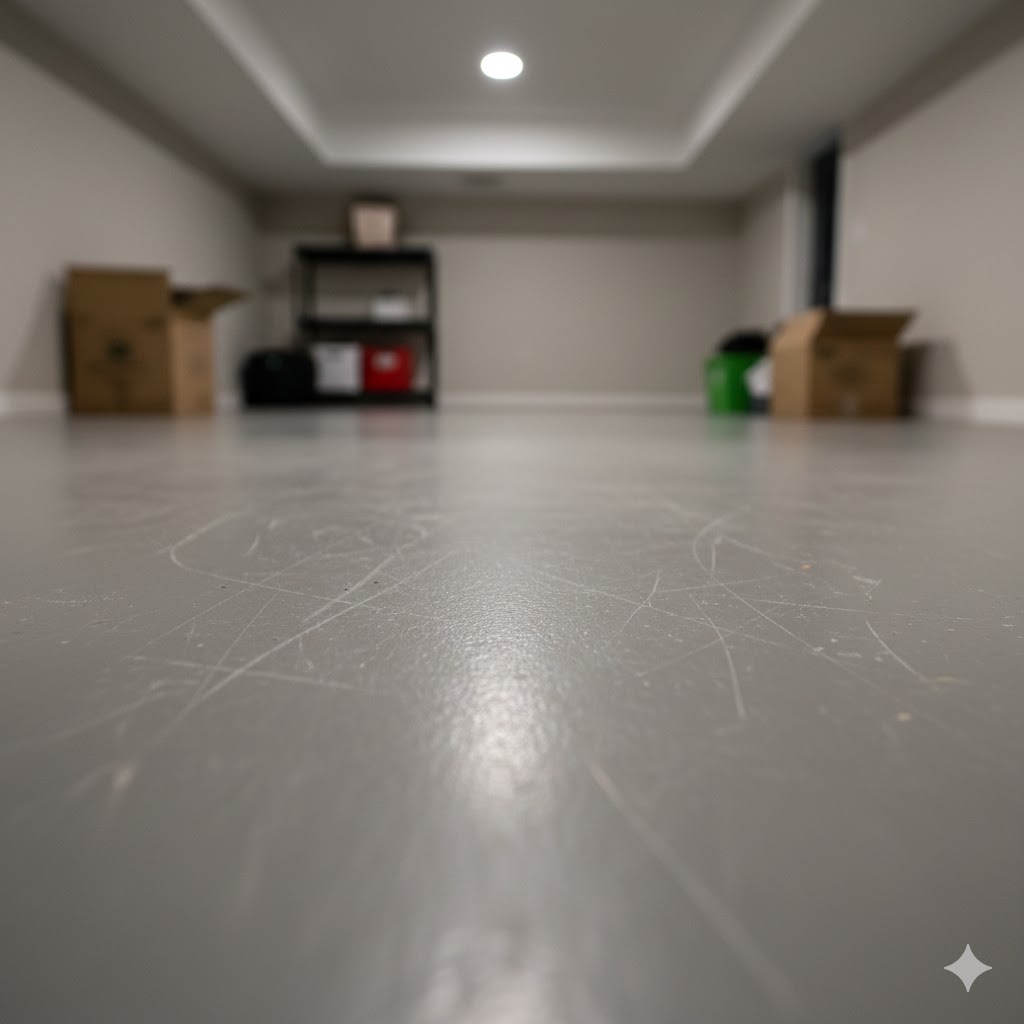
What Homeowners Should Know Before Starting Over
By Burke & Crew Paintwrights
Serving Gloucester and the surrounding Cape Ann communities for over 10 years.
Epoxy flooring is known for durability, but no floor lasts forever without showing signs of wear. Homeowners with existing epoxy floors often ask the same question:
Can an epoxy floor be restored—or does it need to be completely replaced?
The answer depends on the condition of the floor, how it was installed, and what’s happening beneath the surface. This guide explains when epoxy floors can be refreshed, when replacement is the better option, and why professional evaluation matters.
When Replacement Is Usually Necessary
Some conditions indicate that replacement—not restoration—is the more reliable option.
These include:
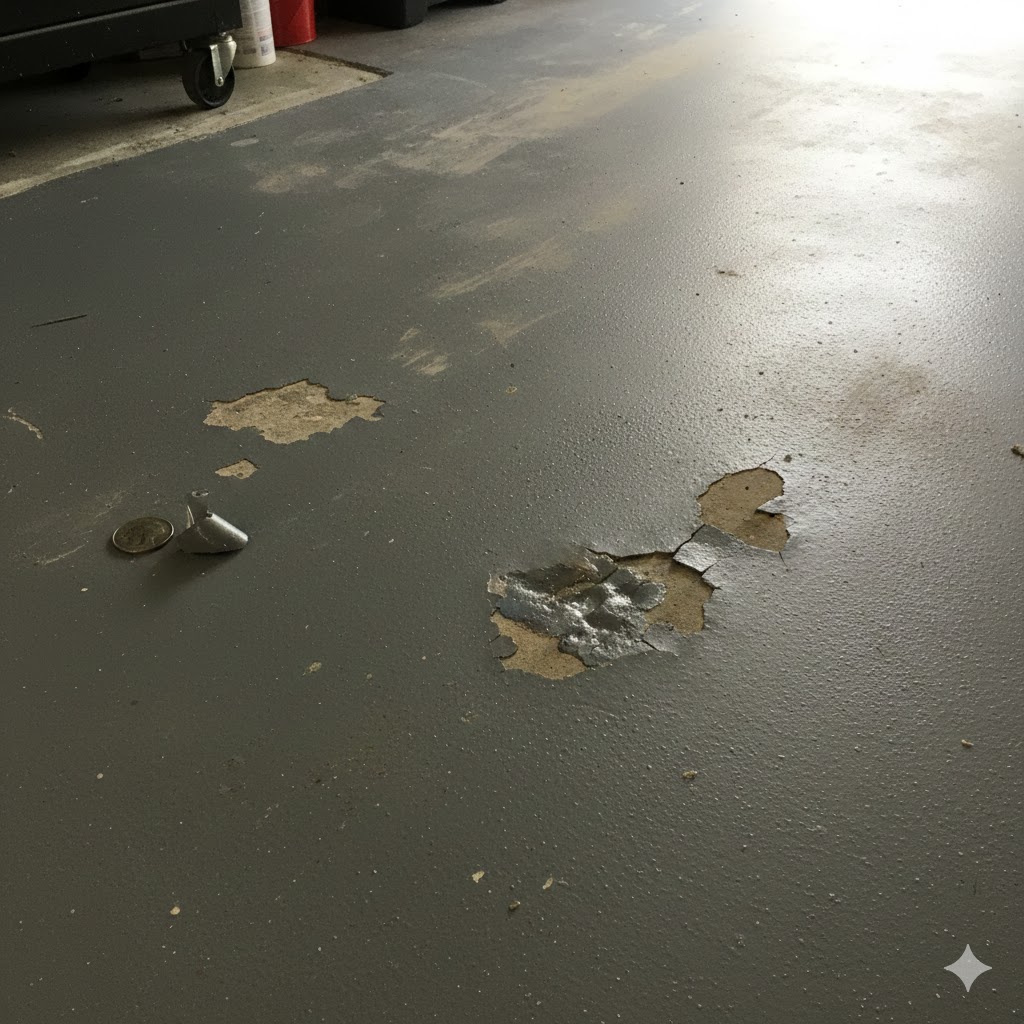
- Peeling or lifting epoxy
- Bubbling or blistering
- Cracks caused by substrate movement
- Widespread adhesion failure
- Moisture-related issues beneath the floor
In these cases, applying new epoxy over a failing system often leads to repeated problems.
Why Epoxy Floors Fail Over Time
Most epoxy floor failures are not caused by age alone. Common underlying causes include:
- Improper surface preparation during original installation
- Moisture issues that were never addressed
- Incompatible products layered over one another
- DIY installations without mechanical prep
Understanding why a floor is failing is essential before deciding how to move forward.
Why Professional Evaluation Is So Important
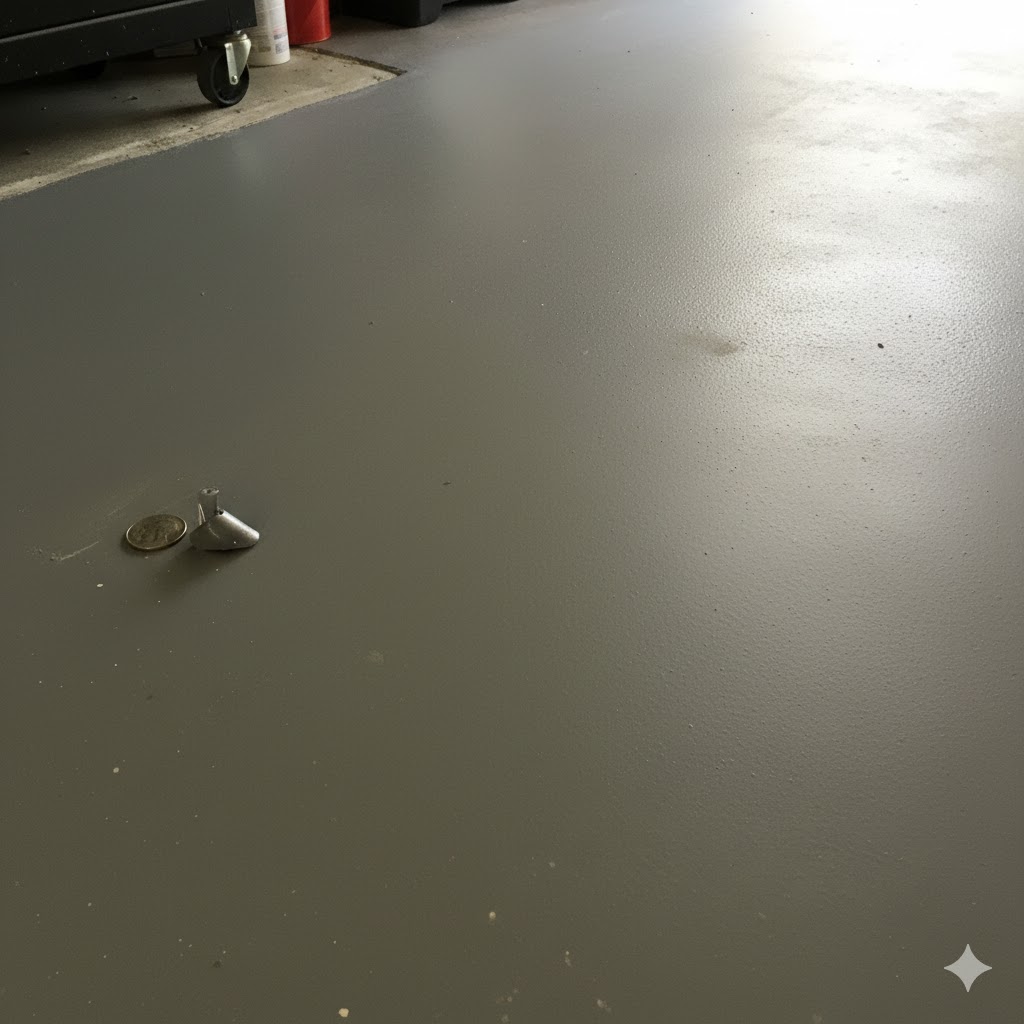
Two epoxy floors with similar wear can require very different solutions.
Professional evaluation helps determine:
- Whether the existing epoxy is sound
- What preparation is required
- Whether restoration is feasible
- If replacement is the safer long-term choice
This assessment prevents homeowners from investing in short-term fixes that don’t last.
Frequently Asked Questions
In some cases, yes. Minor wear or cosmetic issues can often be addressed without full replacement.
Sometimes—but only if the existing epoxy is well bonded and properly prepared. Evaluation is essential.
Peeling, bubbling, or widespread lifting usually indicate failure, not normal wear.
Restoration can be more cost-effective when the existing floor is sound. Replacement may be necessary when underlying issues are present.