

Substrates, Surface Prep, and Why It Matters
By Burke & Crew Paintwrights
Serving Gloucester and the surrounding Cape Ann communities for over 10 years.
Epoxy flooring often looks deceptively simple once it’s finished—a smooth, seamless surface with a clean, modern appearance. What many homeowners don’t see is that nearly all epoxy flooring failures are caused by surface issues, not the epoxy itself.
If you’re considering epoxy flooring for your home, understanding **what epoxy can be applied over—and what it can’t—**is one of the most important steps in the decision-making process.
Why the Surface Beneath Epoxy Flooring Matters So Much
Epoxy flooring is a bonded system. It doesn’t “float” like vinyl planks or tile—it chemically and mechanically adheres to the surface beneath it.
That means:
- The substrate must be sound
- It must be properly prepared
- Moisture levels must be evaluated
- Existing coatings or contaminants must be addressed
Skipping or underestimating this step is the most common reason epoxy floors peel, bubble, or fail prematurely.
Concrete: The Ideal Surface for Epoxy Flooring
Concrete is the most common—and most reliable—substrate for epoxy flooring.
Epoxy performs best when applied to:
- Bare, clean concrete slabs
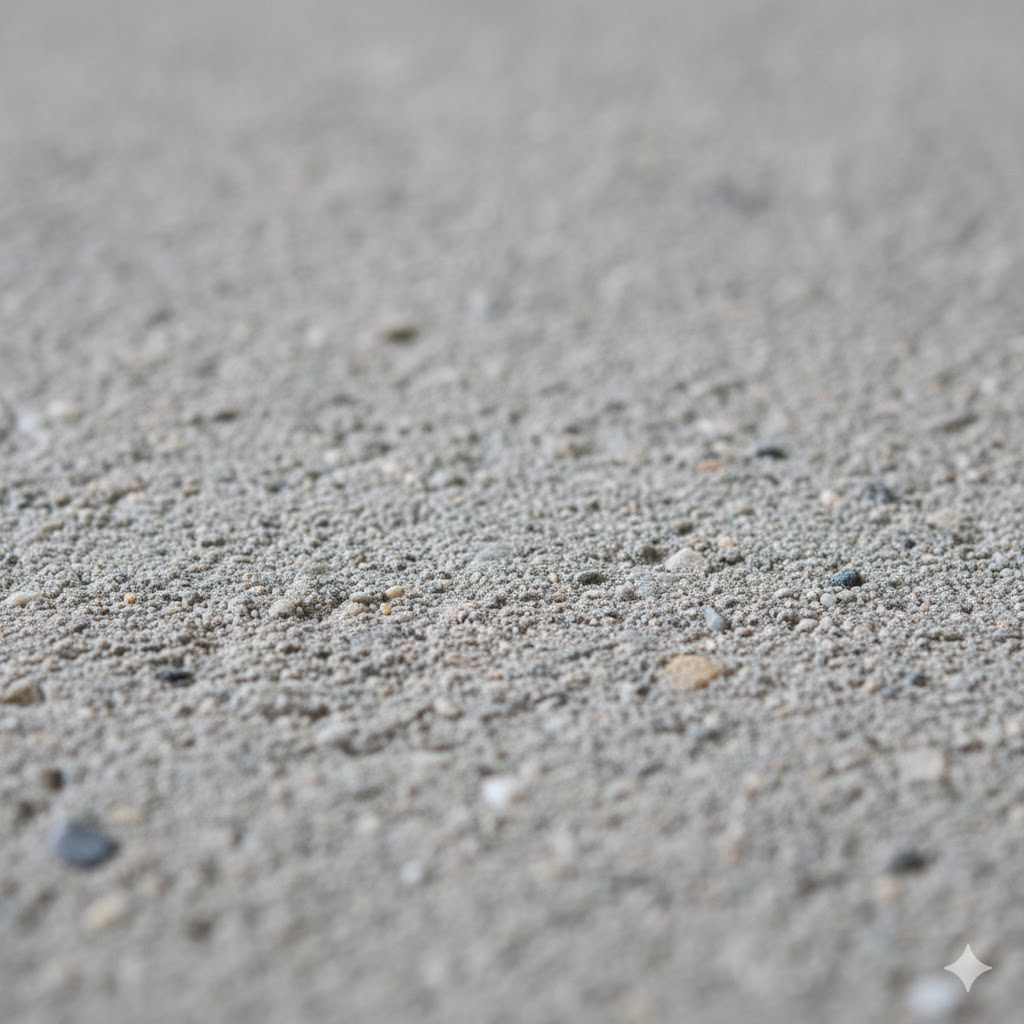
- Concrete that has been mechanically prepared
- Surfaces free of sealers, oils, or curing compounds
In garages, basements, and many lower-level living spaces, concrete provides the ideal foundation for epoxy flooring—when it’s properly evaluated and prepared.
Can Epoxy Flooring Be Applied Over Existing Floors?
This is one of the most frequently asked questions, and the answer is: sometimes—but it depends.
Tile Floors
Epoxy can sometimes be applied over tile, but only after:
- Thorough cleaning and degreasing
- Mechanical abrasion to promote bonding
- Addressing grout lines that may telegraph through
Without proper preparation, tile joints can show through the finished surface or lead to adhesion issues.
Painted or Coated Concrete
Old paint, sealers, or previous coatings often need to be:
- Removed or mechanically ground
- Tested for compatibility
- Evaluated for adhesion
Epoxy applied over failing coatings is likely to fail as well.
Wood Subfloors
Wood presents additional challenges due to:
- Natural movement and expansion
- Moisture sensitivity
- Flexibility compared to concrete
In most residential settings, wood subfloors require specialized evaluation and are not always suitable for epoxy flooring without significant preparation.

Moisture: The Hidden Factor in Coastal and Basement Spaces
In coastal regions like Cape Ann, moisture is often the deciding factor in whether epoxy flooring will perform as intended.
Professional installers evaluate:
- Moisture vapor transmission through concrete
- Signs of hydrostatic pressure
- Environmental conditions unique to older or coastal homes
Ignoring moisture issues is one of the fastest ways to compromise an epoxy floor—regardless of product quality.
Why Surface Preparation Is the “Make or Break” Step
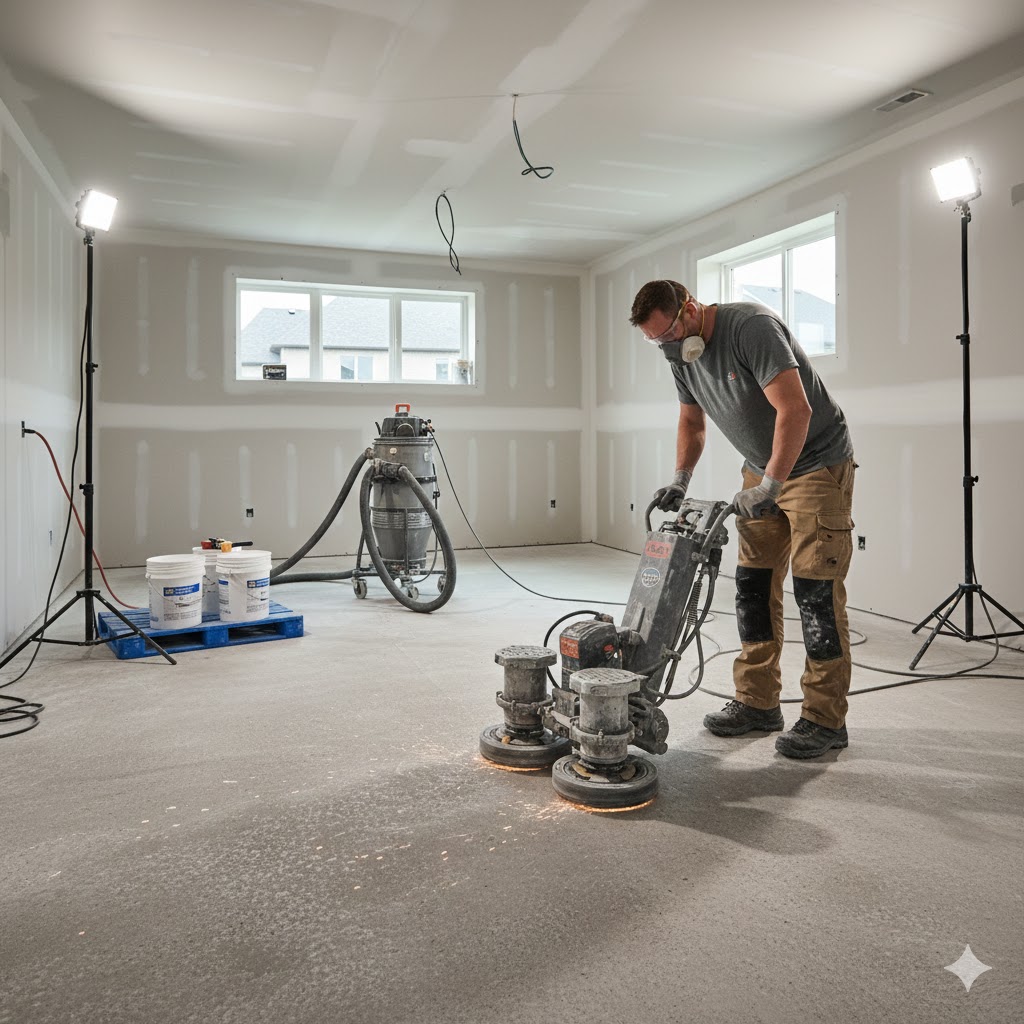
Proper epoxy flooring installation almost always involves mechanical surface preparation, not just cleaning.
This may include:
- Diamond grinding or shot blasting
- Crack and joint repair
- Surface profiling to meet manufacturer specifications
These steps create the texture and cleanliness epoxy needs to bond correctly. This level of preparation is rarely achievable with consumer-grade tools.
Why Professional Evaluation Is So Important
Every home is different. Two concrete slabs that look identical on the surface may behave very differently once epoxy is applied.
A professional evaluation helps determine:
- Whether epoxy flooring is appropriate
- What preparation is required
- Which epoxy system is best suited for the space
- Whether alternative flooring solutions should be considered
This guidance often prevents expensive repairs and disappointing results later.
Frequently Asked Questions
Yes. Modern epoxy flooring systems are commonly used indoors, provided the surface is properly prepared and the space is suitable for epoxy installation.
No. While garages remain popular, epoxy flooring is now used in basements, gyms, laundry rooms, and select living spaces.
Sometimes. This depends on the existing material, its condition, and how well it can support proper bonding. A professional evaluation is recommended.
Not always. Some spaces may require additional preparation or may be better suited to other flooring options. A consultation helps clarify the best approach.
In some cases, yes—but only with proper preparation and evaluation. Not all existing surfaces are suitable without modification.
Typically, yes. Bare, properly prepared concrete provides the most reliable bond for epoxy flooring systems.
Most failures are caused by moisture issues, poor surface preparation, or applying epoxy over unsuitable substrates.
Yes. Surface preparation is often more important than the epoxy product itself when it comes to long-term performance.