

Is Lead Paint Abatement Safe for 18th-Century Woodwork?
Protecting Your Family and Your Home’s Historic Integrity During Restoration
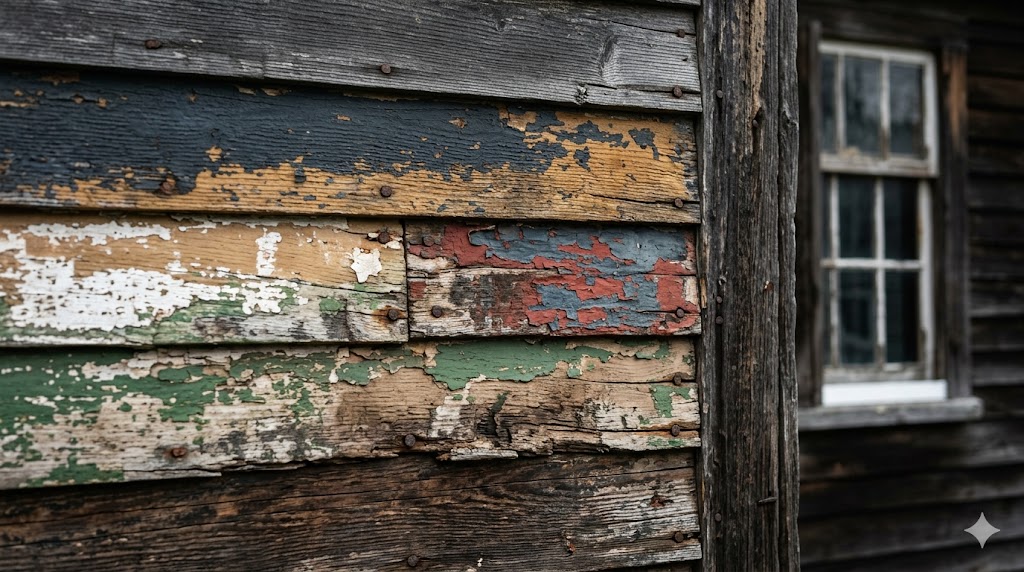
Lead paint is common in 18th-century homes in Cape Ann, but removing it incorrectly can damage the very materials that make these homes valuable.
Lead-safe restoration uses surgical techniques to stabilize the home and remove hazards without destroying the original hand-planed siding or historic trim that define the property’s character.
Does Lead Paint Removal Mean Replacing Original Siding?
No. In historic preservation, the goal is stabilization — not demolition.
Rather than replacing original materials, a preservation-focused approach corrects the underlying issues that caused paint failure and prepares the existing wood using safe, controlled methods.
- Preserves Original Wood: Retains high-density old-growth materials
- Avoids Unnecessary Replacement: Maintains architectural authenticity
- Improves Longevity: Stabilizes the structure for future coatings
This approach is especially important in historic areas like Annisquam and West Gloucester, where original siding contributes to the home’s historical significance.
How Do You Balance Safety with Preservation?
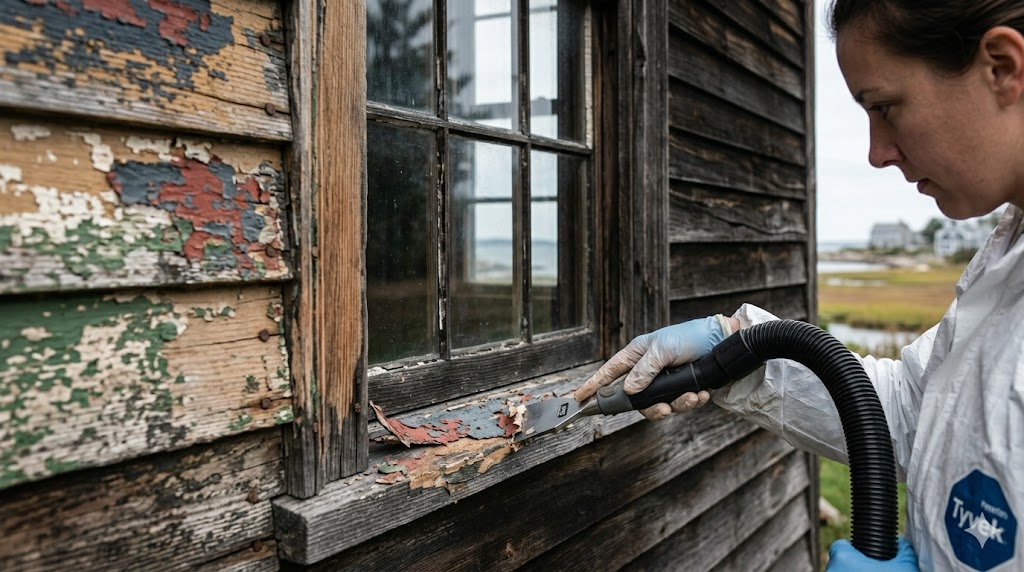
Lead abatement near delicate architectural features requires a coordinated, whole-home approach.
- HEPA Containment: Prevents hazardous dust from spreading
- Low-Impact Techniques: Protects hand-planed wood surfaces
- Holistic Restoration: Coordinates glazing, trim, and siding work together
This is especially critical when working around original sash windows or antique “wavy” glass, where aggressive methods could cause irreversible damage.
Our Professional Standard for Lead-Safe Preservation
- Surgical Prep: Hand-scraping and precision tools to remove failing paint
- Containment Excellence: Strict adherence to lead-safe protocols
- Preservation of Detail: Protecting intricate trim and historic profiles
These methods ensure that both safety and historical integrity are maintained throughout the restoration process.
Related Reading:
What Do I Need to Know When Painting a 300-Year-Old Home?
Are Old Wood Windows Worth Saving?
Make Your Historic Home Safe — Without Losing Its Character
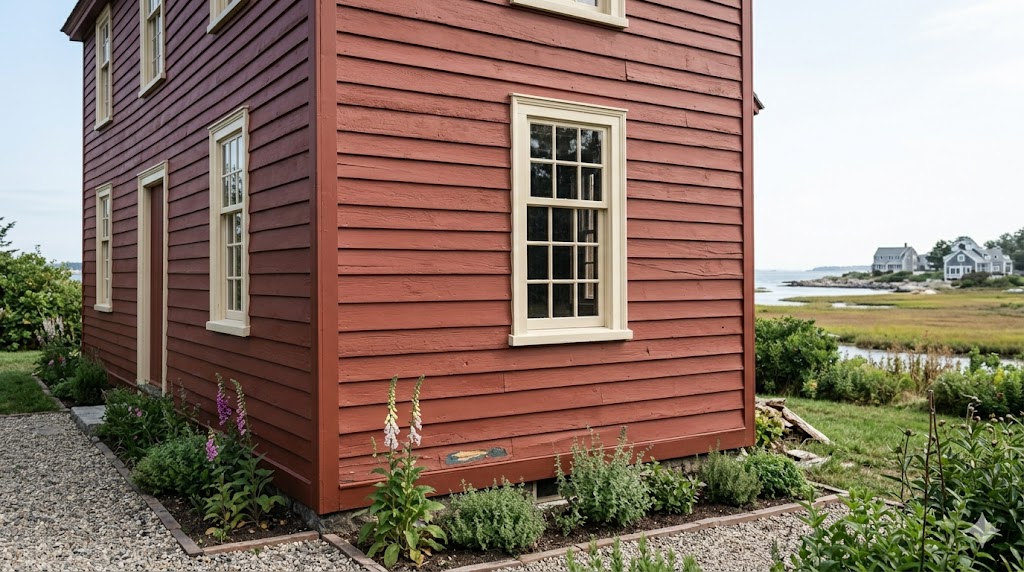
Lead-safe restoration protects your family while preserving the craftsmanship that makes your home unique.
Learn About Historic Home Preservation